
I made this widget at MyFlashFetish.com.

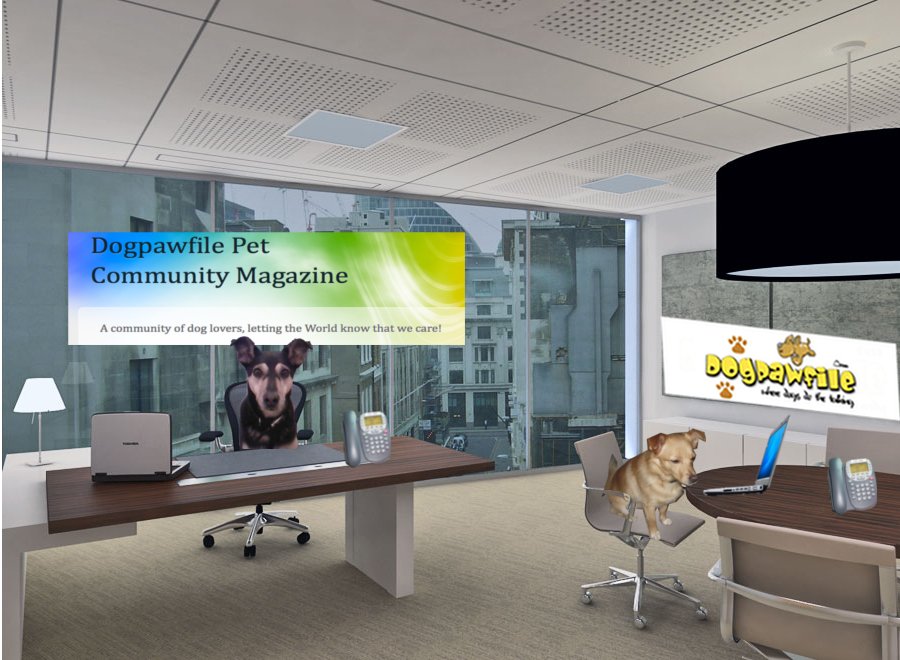
WELCOME TO DOGPAWFILE MAGAZINE, BOUGHT TO YOU BY THE LEADER OF THE PACK MR KHAN
AND HIS EDITING TEAM SHADOW AND BOBBI NOT FORGETTING YOUR FAVORITE WEBSITE
DOGPAWFILE, WE ALWAYS WANT ARTICLES FOR THE MAGAZINE, IF YOU HAVE ANYTHING YOU WANT FEATURED
PEE/EMAIL SHADOW AND BOBBI
DOGPAWFILE HAS HAD IT’S FIRST VIDEO REVIEW, CHECK OUT THIS VIDEO
MY BADGE WILL TAKE YOU BACK TO DOGPAWFILE

click picture for the dogpawfile 2.0 brand new facebook page, be sure to hit that like button
Dogpawfile 2.0

Promote Your Page Too
click picture below for the fantastic facebook group pet lovers social network

click picture below or the facebook group forever paws remember your departed fur babies



 Dogpawfile Pet Community Magazine

The new mag, looks fresh and really cool, great job once again Shadow & co!!
WOW,THIS IS REALLY PAWSOME SHADOW AND BOBBIE,GREAT JOB AS ALWAYS.XOXOXO
We can’t get into the regular website!
DECEMBER’S MAGAZINE LOOKS GREAT
Good job Shadow & Bobbi!
Excellent!
I have read this magazine and have seen some really cool recipes. I also see Teddy my friend from Doggy Snaps. I am an Ex-Doggy Snapper too. In the website of Dogpawfile they have some rocking jokes,clubs,events and so much more. They are also very welcoming. I can see you can go to this magazine even if you haven’t got an account. Friends are waiting for you at Dogpawfile!
Where is the magazine?
Shotzke57 you are reading it!
what a handsome member of editing team…on the right side♥♥♥B.Eli:D
Luv DPF! And a handsome boy we have editing it! And a pretty lady!
🙂 Great Mag
Actually when someone doesn’t be aware of after that its up to other people that they will assist, so here it happens.
You will additionally like to make certain you take out the filter whenever putting the coffee reasons
as part of, because some machines might overrun provided recently there tend to be just about
any grounds seated as part of the sleep of the drip area and additionally causing a block.
I really like my personal bialetti espresso maker and
know it most likely produces the really coffee of all the countless options
around and additionally this time I produce moved at my personal new home containing a gas cooker we
am supposed in order to make the undertaking to make use of it a lot more frequently.
Howdy! I know this is kinda off topic however , I’d figured I’d ask.
Would you be interested in exchanging links or maybe guest writing a
blog article or vice-versa? My site discusses a lot of the same subjects as yours and
I feel we could greatly benefit from each other. If you happen to be interested feel free to send me an email.
I look forward to hearing from you! Fantastic blog by the way!
Nice post. I learn something totally new and challenging
on sites I stumbleupon on a daily basis. It’s always interesting to read articles from other writers and practice a little something from their websites.
This piece of writing will help the internet people for building up new webpage or
even a blog from start to end.
Please let me know if you’re looking for a author for your weblog. You have some really great articles and I think I would be a good asset. If you ever want to take some of the load off, I’d really like to write
some articles for your blog in exchange for a link back to mine.
Please shoot me an email if interested. Cheers!
Hi there just wanted to give you a brief heads up and let you know a few of the pictures aren’t loading properly. I’m not sure
why but I think its a linking issue. I’ve tried it in two different internet browsers and both show the same outcome.
As the admin of this web site is working, no question very rapidly it will be renowned, due to its feature contents.
You are so awesome! I do not suppose I’ve truly read through anything like this before. So good to discover somebody with some genuine thoughts on this subject matter. Really.. many thanks for starting this up. This website is one thing that’s needed on the web, someone with a
little originality!
I am sure this piece of writing has touched all the
internet people, its really really pleasant paragraph
on building up new webpage.
Hello would you mind letting me know which webhost you’re utilizing? I’ve loaded your blog in 3 completely different
web browsers and I must say this blog loads a lot faster then most.
Can you suggest a good web hosting provider at a reasonable price?
Cheers, I appreciate it!
I was very happy to uncover this page. I wanted to thank you for your time
due to this wonderful read!! I definitely enjoyed every bit of
it and I have you book-marked to look at new things on your site.
When I originally commented I clicked the “Notify me when new comments are added” checkbox and now each time
a comment is added I get several emails with the
same comment. Is there any way you can remove me from that
service? Thanks a lot!